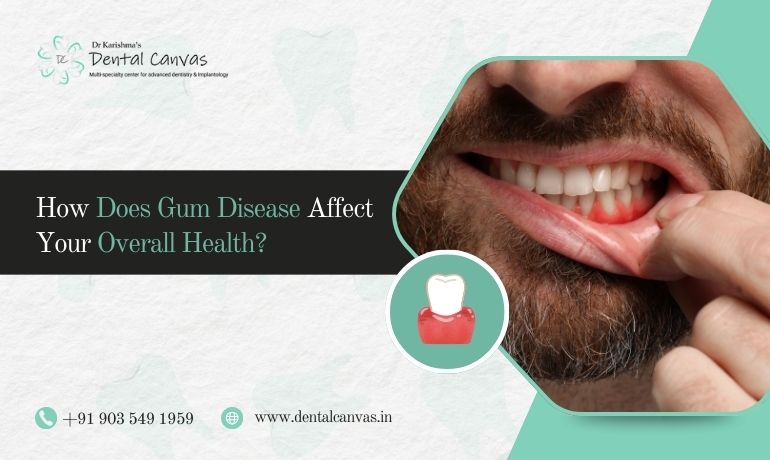
Many people treat bleeding gums like a minor inconvenience. You notice a little pink in the sink while brushing, shrug it off, and promise yourself you will floss more often tomorrow. Life moves quickly, and the gums seem quiet again the next day. But oral health rarely works like a light switch. Small warning signs often whisper long before larger problems speak louder.
Dentists often notice a similar pattern during routine checkups. A patient comes in for cleaning, mentions occasional gum bleeding, and assumes it happens because they brushed too hard. Yet the gums sometimes tell a deeper story. In situations like this, exploring gum disease treatment at Dental Canvas often helps patients understand what their mouth has tried to communicate for months.
Gum disease does not limit its effects to the mouth alone. The gums act like a protective border around the teeth, and when inflammation weakens that border, the consequences sometimes travel beyond oral tissues. Understanding this connection helps people take gum health more seriously and protect their overall well-being.
Why Healthy Gums Matter More Than Most People Realize?
Most people think of teeth when considering oral health, but gums play a crucial role too. They support teeth, protect underlying bone, and block bacteria from entering deeper tissues. Imagine gums as a fabric tightly surrounding each tooth; strong gums keep everything stable. However, when they weaken, gaps form, allowing bacteria to thrive in hard-to-reach areas. This can lead to inflammation and infection, known as gum disease. Many patients notice early warning signs but rarely connect them to broader health implications.
Common early signs include:
- Bleeding while brushing or flossing
- Swollen or tender gums
- Persistent bad breath
- Gums that appear darker or slightly puffy
- Sensitivity near the gumline
These signals often appear quietly, which explains why many people ignore them until symptoms become more noticeable.
The Beginning Stage: Gingivitis
Gum disease often begins with gingivitis. At this stage, plaque buildup irritates the gum tissue. The gums may swell slightly and bleed during brushing.
Despite these symptoms, gingivitis rarely causes pain. Many people continue their normal routine without realizing that inflammation has already started beneath the surface.
Picture a garden path after heavy rain. The ground still looks stable from above, but the soil underneath slowly softens. Gingivitis behaves in a similar way. The gums may appear mostly normal, yet inflammation gradually weakens the support system around the teeth.
The encouraging part is that early gum disease often responds well to improved oral hygiene and professional dental care.
When Gum Disease Progresses?
If gingivitis remains untreated, it can progress into periodontitis. At this stage, bacteria begin to move deeper below the gumline.
The gums start to pull slightly away from the teeth, forming small pockets. These pockets collect plaque and bacteria, which increases infection risk. Over time, the infection may affect the bone that supports the teeth.
Patients may start noticing additional changes:
- Persistent bad breath
- Gum recession
- Loose teeth
- Increased tooth sensitivity
- Changes in bite alignment
These symptoms indicate that the infection has moved beyond surface inflammation.
Dental professionals at Dental Canvas often emphasize early diagnosis because treatment becomes more complex once gum disease advances. Preventive care allows patients to protect both oral and overall health before complications appear.
The Connection Between Gum Health and the Body?
The mouth does not function separately from the rest of the body. Blood vessels inside the gums connect directly with the bloodstream, which means oral bacteria sometimes travel beyond the mouth.
When gum disease causes chronic inflammation, the body’s immune system stays active for long periods. This constant inflammatory response may influence other areas of health.
Researchers have explored possible links between gum disease and several conditions, including:
- Cardiovascular disease
- Diabetes management challenges
- Respiratory infections
- Pregnancy complications
These connections do not mean gum disease directly causes these conditions in every case. However, inflammation and bacterial activity may contribute to broader health patterns.
Imagine dropping a small amount of ink into a glass of water. The color gradually spreads throughout the entire glass. In a similar way, inflammation in one area of the body sometimes influences other systems.
Maintaining healthy gums, therefore, supports more than just oral comfort.
How Dentists Approach Gum Disease Treatment?
Dentists focus on controlling infection, reducing inflammation, and restoring healthy gum tissue. Each treatment plan depends on the stage of the disease.
Early care often includes professional cleaning and improved home hygiene habits. More advanced cases may require deeper cleaning procedures that remove bacteria below the gumline.
Typical steps in gum disease treatment may include:
- Scaling to remove plaque and tartar
- Root planing to smooth tooth surfaces
- Antibacterial therapy when necessary
- Ongoing periodontal maintenance visits
These treatments aim to remove harmful bacteria and allow the gums to heal naturally.
Patients often notice improvements such as reduced bleeding, fresher breath, and healthier gum color after treatment begins.
Everyday Habits That Protect Gum Health?
Preventing gum disease often requires consistent daily habits. Small actions performed regularly can protect the gums for years.
Consider the following steps:
- Brush twice daily using gentle circular motions
- Floss daily to remove plaque between teeth
- Schedule regular dental checkups and cleanings
- Maintain a balanced diet that supports oral health
- Avoid tobacco products that irritate gum tissue
These habits create an environment where harmful bacteria struggle to thrive.
Oral hygiene works a bit like tending a houseplant. Occasional attention keeps the plant alive, but steady care allows it to flourish.
Why Early Attention Makes a Big Difference?
Many patients wait until discomfort appears before visiting a dentist. Unfortunately, gum disease often progresses quietly for long periods.
Early evaluation allows dentists to detect subtle changes before the infection spreads deeper. A routine exam can reveal inflammation that the patient may not notice yet.
Clinicians at Dental Canvas frequently observe that patients who address gum issues early experience simpler treatments and faster recovery. Regular monitoring also helps maintain long-term stability in oral health.
Ignoring symptoms may allow bacteria to continue damaging the gums and supporting bone over time.
Frequently Asked Questions
1. What are the early signs that someone may need gum disease treatment?
Early signs often include bleeding while brushing, swollen gums, and persistent bad breath. Some people also notice mild tenderness or darker gum color near the teeth. These symptoms usually indicate inflammation caused by plaque buildup. Seeking professional gum disease treatment at Dental Canvas can help control the infection before it progresses into more serious stages.
2. Is gum disease reversible?
Early gum disease, known as gingivitis, often improves with proper oral hygiene and professional dental cleaning. Patients usually see reduced bleeding and swelling after treatment and improved brushing habits. However, advanced gum disease may require ongoing management rather than complete reversal. Regular dental care plays an important role in controlling the condition.
3. How often should someone visit the dentist for gum health?
Most dentists recommend checkups every six months for preventive care. Patients with gum disease may require more frequent visits for periodontal maintenance. These visits allow dentists to monitor healing, remove plaque buildup, and adjust treatment if needed. Consistent care helps maintain stable gum health and prevents complications.
Act Early And Save Your Gum Health
Gum disease starts subtly with bleeding or swelling. Ignoring these early signals allows bacteria to weaken oral structures. Proactive dental evaluations are vital to stop inflammation before it compromises your health.
At Dental Canvas, dentists focus on identifying early warning signs and offering personalized gum disease treatment that supports both oral and overall health. Sometimes the smallest changes in gum care create the biggest difference in long-term wellness.