It often begins with a small surprise. A routine dental visit. A child who insists on brushing every day. And then a quiet moment when the dentist points out a tiny spot on a tooth that should not be there yet. That moment usually leads parents to explore fluoride treatments for kids, not out of panic, but out of prevention. At that stage, the goal shifts from fixing damage to stopping it before it grows.
At Dental Canvas, Dr. Karishma Gangwar meets parents who want to do the right thing early, not later. They ask thoughtful questions. They want safe options. They want clarity without fear. Fluoride often enters the conversation gently, not as a cure, but as a protective habit that supports growing smiles. Understanding how it works helps parents feel confident about choosing it.
Why Early Tooth Decay Sneaks Up on Children?
Baby teeth look temporary, but they work full-time. They help children chew properly, speak clearly, and guide permanent teeth into position. Decay develops quietly because children rarely complain until discomfort appears. By the time pain shows up, decay has already progressed.
Early childhood habits often include frequent snacking, sweet drinks, and brushing that lacks thoroughness. These patterns do not mean poor parenting. They simply reflect childhood. Dentistry adapts to these realities by focusing on prevention rather than blame.
What Fluoride Actually Does for Teeth?
Fluoride strengthens tooth enamel. Enamel acts like a shield. Acids from food and bacteria attack the shield daily. Fluoride helps repair weak spots before cavities form.
Think of enamel like a raincoat. Over time, tiny leaks appear. Fluoride works like a sealant that reinforces those weak areas before rain soaks through. This process happens at a microscopic level, but its impact lasts much longer.
How Fluoride Treatments Fit into Early Childhood Dental Care?
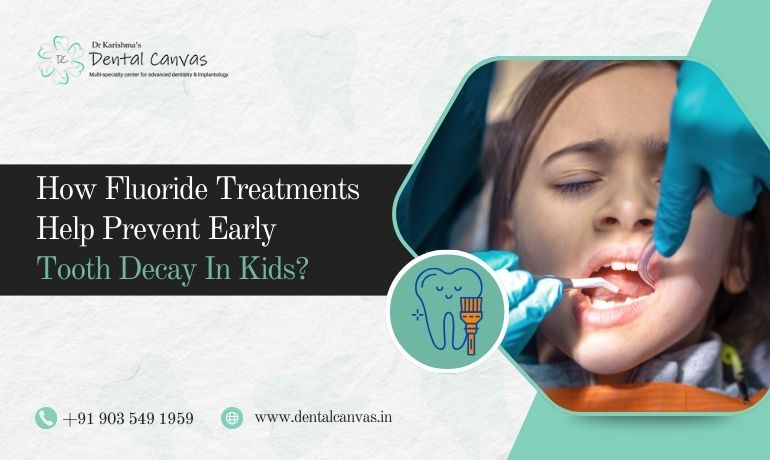
Dentists recommend fluoride treatments based on risk, not routine alone. Children with higher cavity risk benefit most. Treatments involve applying fluoride gel or varnish directly to teeth during a dental visit. The process feels quick and comfortable.
Dr. Karishma Gangwar often explains that fluoride treatments support daily brushing rather than replace it. Together, they create a stronger defense against decay.
Tooth Decay Prevention for Kids
Tooth decay prevention for kids works best when families combine daily habits with professional guidance. Fluoride treatments play one role in a larger system of care.
Key preventive steps include
- Brushing twice daily with age-appropriate fluoride toothpaste
- Limiting sugary snacks and drinks
- Scheduling regular dental checkups
- Using professional fluoride applications when recommended
Parents sometimes view prevention like packing an umbrella on a cloudy day. You may not need it immediately, but you feel grateful when rain arrives. Preventive care follows the same logic.
Benefits of Fluoride for Kids
The benefits of fluoride for kids extend beyond cavity reduction. Fluoride supports stronger enamel during critical stages of tooth development.
Notable benefits include
- Strengthens enamel against acid attacks
- Slows early cavity formation
- Reduces the need for fillings and invasive treatments
- Supports long-term oral health habits
Fluoride does not mask problems. It strengthens the foundation so the issues struggle to form. That distinction reassures parents who value safety and science.
How Fluoride Treatments Feel for Children?
Children often worry more about unfamiliar experiences than about discomfort. Fluoride treatments feel simple. The dentist applies varnish with a small brush. The taste feels mild. The visit ends quickly.
Dentists guide parents on post-treatment care, such as avoiding food for a short period. These small steps maximize effectiveness without disrupting daily routines.
Addressing Common Parental Concerns
Parents sometimes worry about fluoride safety. Decades of research support its controlled use in dentistry. Dentists follow age-appropriate guidelines to ensure safety and benefit.
At Dental Canvas, discussions include dosage, frequency, and individual risk assessment. This transparent approach helps parents feel involved rather than instructed.
How Fluoride Supports Growing Smiles Long Term?
Preventive care during childhood reduces dental anxiety later. Children who avoid early cavities often associate dental visits with comfort rather than fear. Fluoride supports this positive cycle.
By reducing decay early, fluoride minimizes the need for fillings, extractions, and emergency visits. That benefit extends beyond teeth into emotional comfort.
When Fluoride Becomes Especially Important?
Certain situations increase cavity risk. These include orthodontic appliances, dry mouth, frequent snacking, and a family history of decay. Dentists advise fluoride recommendations accordingly.
Rather than applying a common approach to all, dentists customize care based on each child’s needs.
Why Early Prevention Shapes Lifelong Habits?
Children who experience preventive care learn that dentistry protects rather than reacts. This mindset reduces fear and builds responsibility. Parents also gain confidence in guiding oral health routines.
Early intervention saves time, cost, and discomfort later. It aligns with modern dentistry’s focus on preservation rather than repair.
A Gentle Nudge Toward Preventive Care
Every child deserves a strong start. Preventive dentistry supports that goal quietly and effectively. Fluoride does not shout its benefits. It works steadily in the background.
If you want to protect your child’s smile before decay takes hold, consult Dr. Karishma Gangwar at Dental Canvas. A personalized plan that includes fluoride treatments for kids can help your child grow with confidence, comfort, and a healthy relationship with dental care.
FAQs
1. Are fluoride treatments safe for kids?
Dentists use fluoride treatments for kids in controlled, age-appropriate amounts. Extensive research supports their safety and effectiveness. Dentists evaluate each child’s risk before recommending treatment. Professional application avoids overexposure.
2. How often should my child receive fluoride treatment?
Frequency depends on cavity risk and oral habits. Some children benefit from treatments every six months. Others may need them more often. A dental evaluation determines the best schedule.
3. Can fluoride replace brushing and flossing?
Fluoride supports enamel but does not replace daily hygiene. Brushing removes plaque and food debris. Fluoride strengthens teeth after cleaning. Together, they offer the best protection.
4. Does fluoride help baby teeth if they will fall out anyway?
Baby teeth guide permanent teeth and support proper chewing and speech. Protecting them prevents pain and infection. Fluoride helps maintain their health until natural exfoliation occurs.